
Dom@bayviewescapes.com |
Dom@bayviewescapes.com |

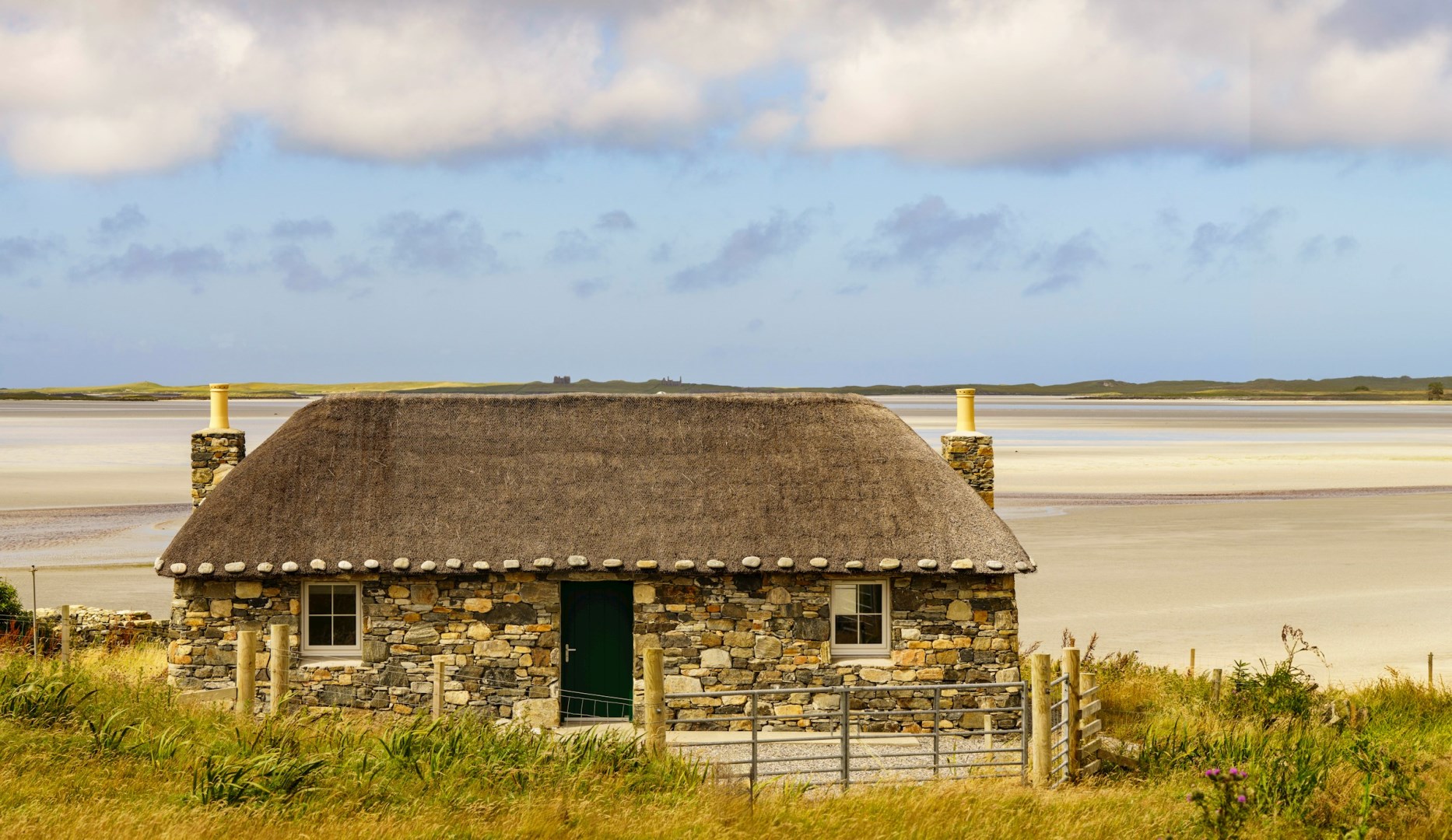
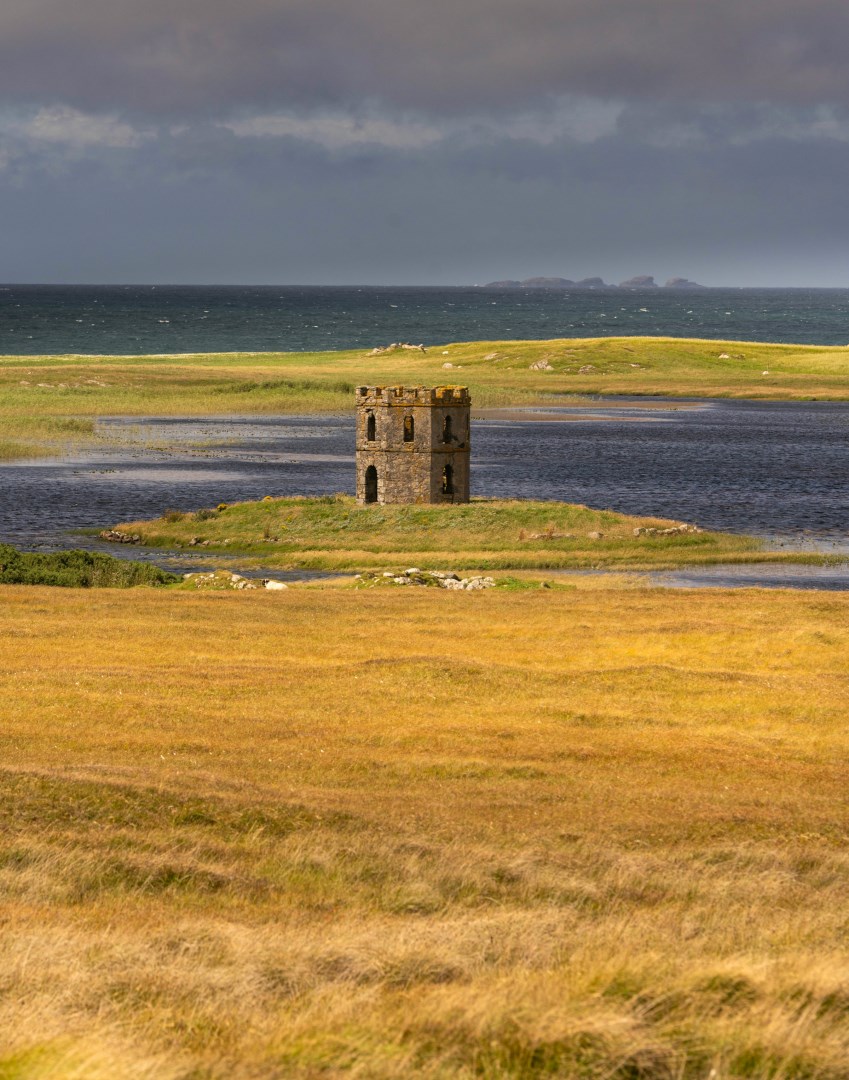
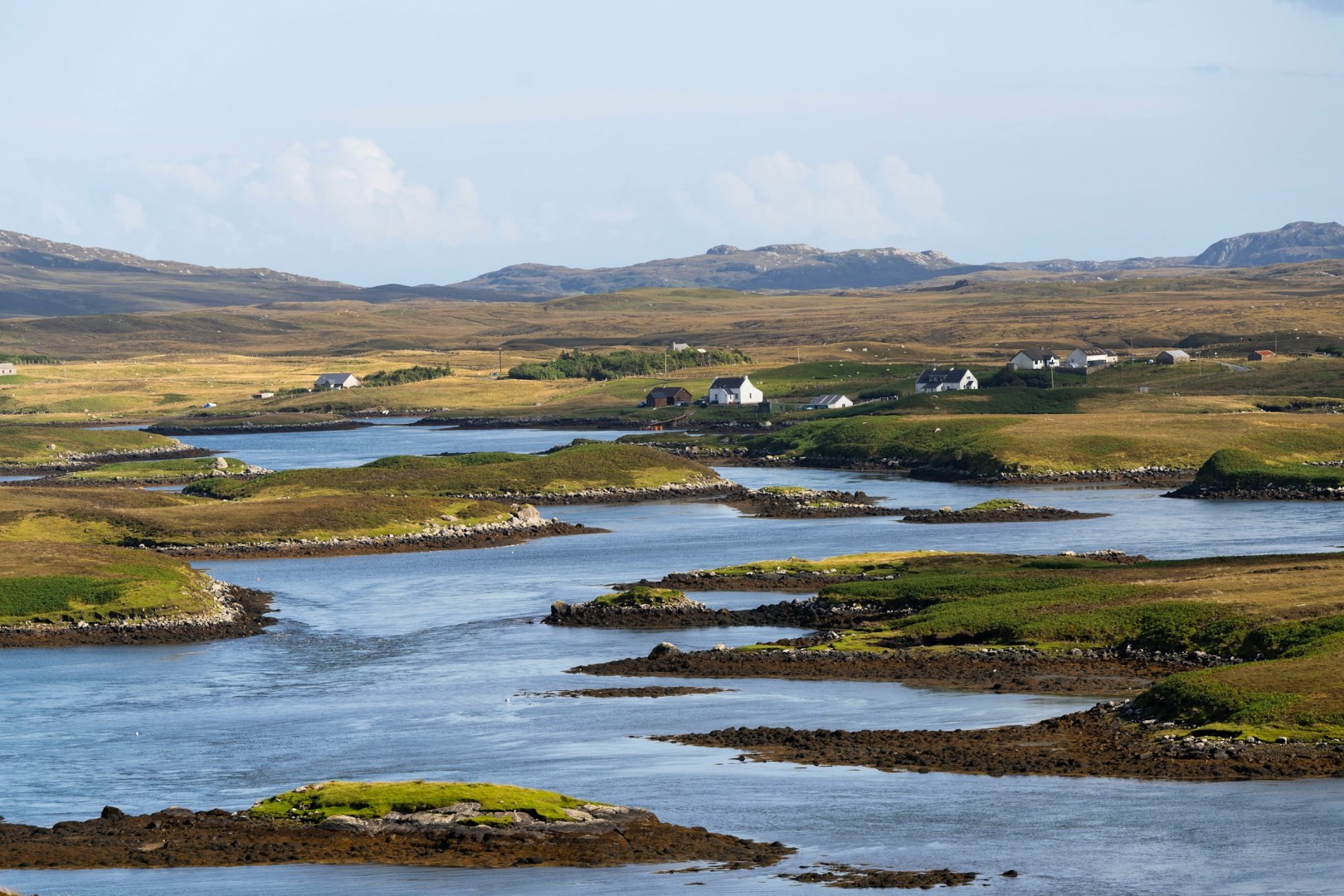
The Outer Hebrides form a long chain of more than 70 islands off Scotland’s northwest coast, stretching from Lewis and Harris through the Uists to Barra and Vatersay. The islands are linked by ferries, bridges, and causeways, but each has a distinct landscape and community character. Stornoway on Lewis is the principal town and a center for local administration, arts, and commerce. Across the islands, crofting communities, small settlements, and Atlantic-facing beaches create a landscape where daily life remains closely connected to the sea and the land.
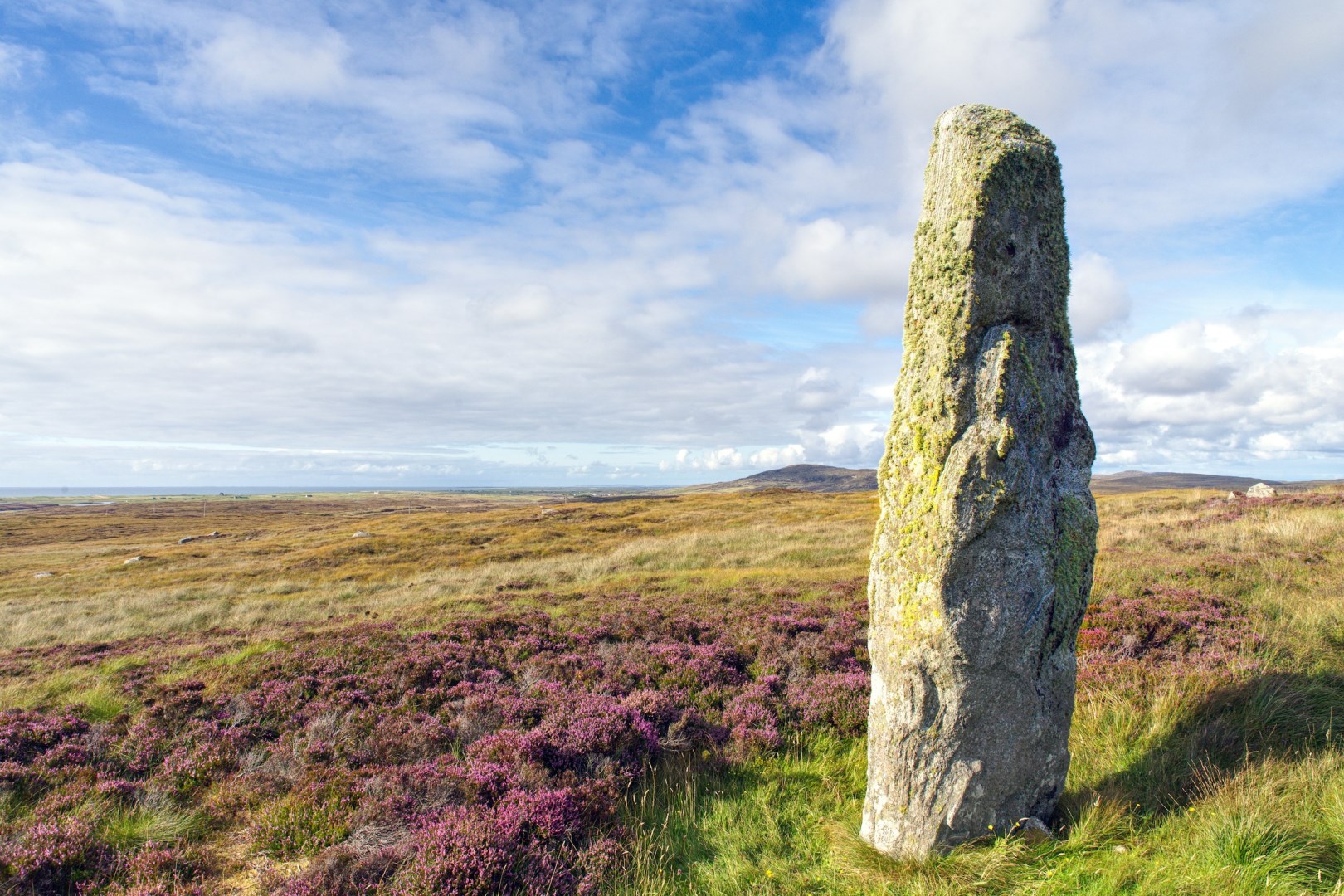
Gaelic remains an important part of Outer Hebridean identity and can be heard in communities, music, festivals, and traditional ceilidhs. Crofting, a form of small-scale agricultural settlement, continues to shape the rural landscape and local traditions. Harris Tweed is another defining cultural feature: the cloth is handwoven in the Outer Hebrides and is protected by specific legal standards governing its production. The islands also preserve significant archaeological remains, including the Callanish Standing Stones on Lewis and traditional blackhouses that illustrate earlier forms of Hebridean domestic life.
The landscape changes considerably along the island chain, from the hills and rocky coast of Harris to the machair, lochs, peatlands, and long sandy beaches of the Uists and Barra. The Callanish Standing Stones are among the best-known landmarks, while St Kilda, a remote archipelago within the Outer Hebrides, is recognized as a UNESCO World Heritage Site for both its cultural and natural significance. Its towering sea cliffs support major seabird colonies, while historic structures on Hirta preserve evidence of a former island community. Wildlife across the region includes otters, seals, eagles, puffins, and other seabirds.
Food in the Outer Hebrides draws heavily on the surrounding Atlantic waters and local agricultural traditions. Fresh seafood, including lobster, crab, mussels, and scallops, features prominently, while Stornoway Black Pudding is one of the region’s best-known products. Local producers also make use of island beef, lamb, vegetables, and other ingredients suited to the cool maritime climate. A distinctive feature of the islands is the combination of traditional food production with contemporary craft and arts. Visitors can encounter small weaving workshops, pottery studios, galleries, and food producers spread across communities from Lewis and Harris to Barra.

